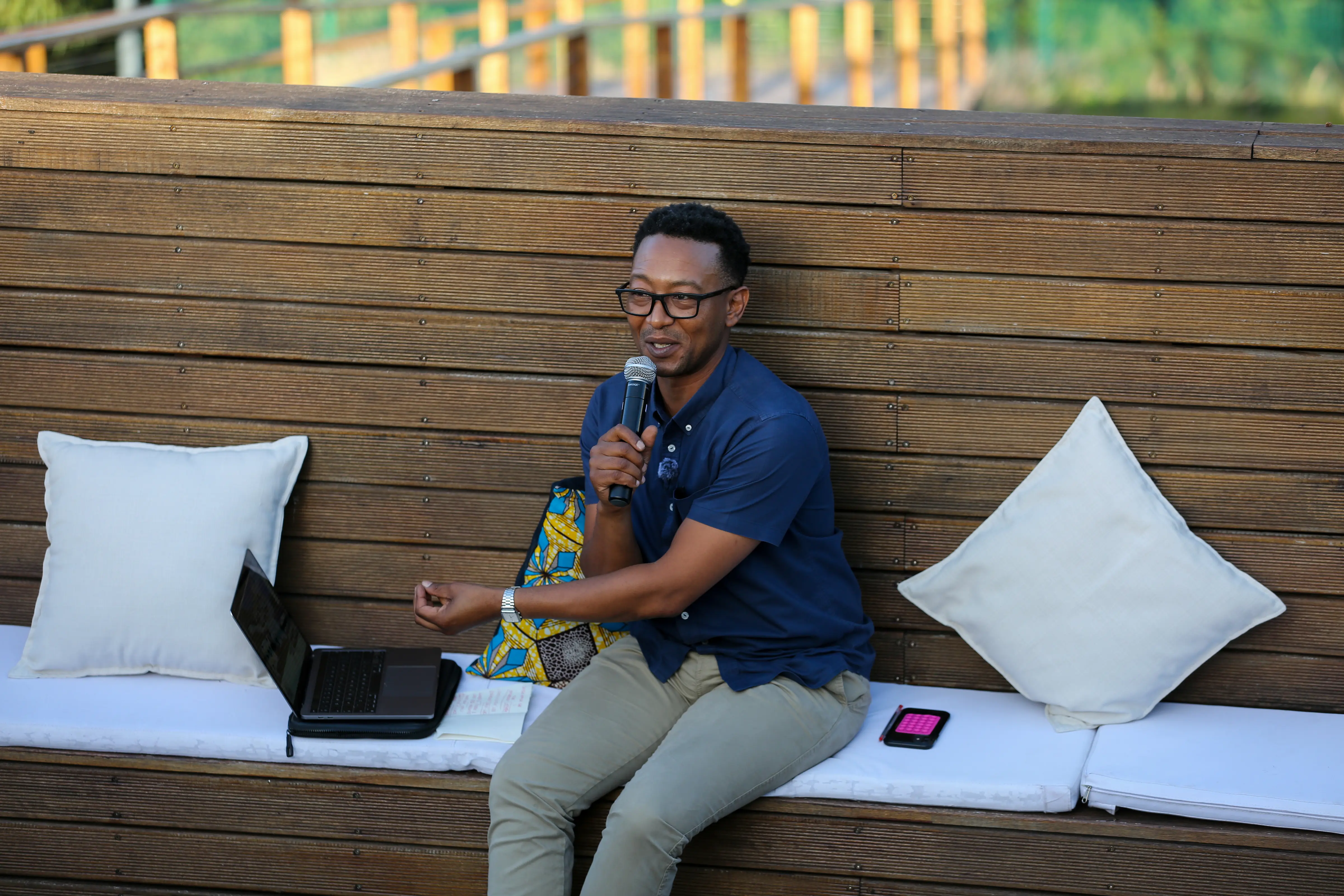
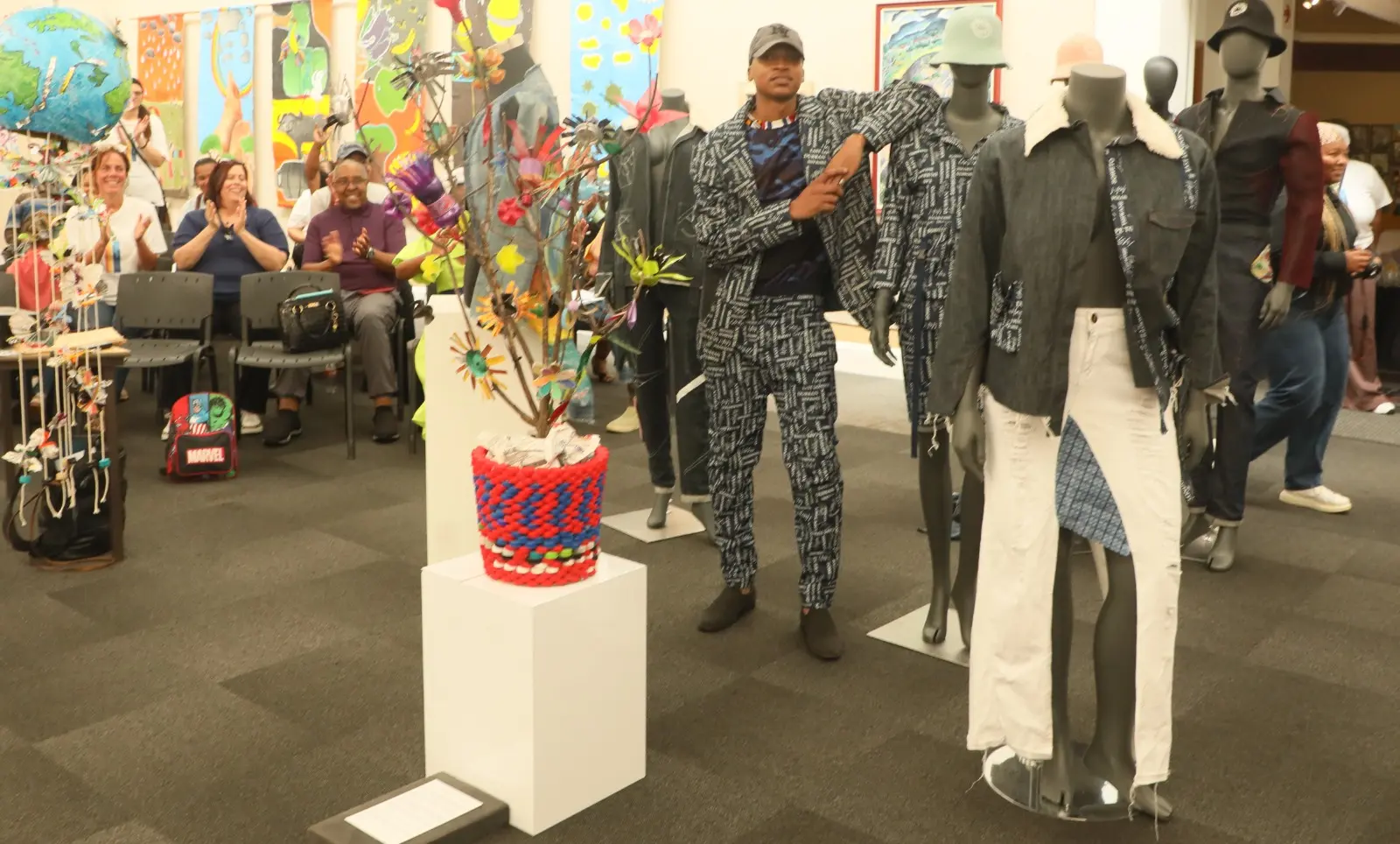
The power of art to transform neglected spaces and create opportunities for young people was among the issues explored during the Kulture Korner Dialogue Series at St Peter’s Rainbow Village in South End on Friday evening.
The cultural dialogue programme brought together artists, academics and community voices to explore identity, heritage, leadership, politics and belonging through conversation and artistic expression.
Visual artist, creative director and Dlala Indima founder Buntu Fihla delivered the keynote presentation, reflecting on his journey from graphic design and advertising into graffiti and community-based art.
Referring back to projects he had worked on across Gqeberha, Fihla spoke about how artists used neglected and derelict buildings as canvases, transforming them through murals and graffiti.
One project involved repainting a building inside and out, turning it into a shared creative space where artists from different disciplines could gather and collaborate.
Reflecting on the support he had received from the Mandela Bay Development Agency (MBDA), Fihla spoke about the importance of institutions that created opportunities for artists.
"There is something wonderful that happened and it's a place that's very close to my heart.
"As artists, we sometimes face so many closed doors that we remember the faces behind the doors that do open.
"We are so used to the closed doors that the one day those doors open, you sort of remember that person [who opened them], and I think that goes to the MBDA as an institution in this case," he said.
Fihla also explored how public art could challenge perceptions of neglected spaces and the people living in them, highlighting the importance of dignity and representation.
The discussion extended beyond public art during the question-and-answer session, with participants raising concerns about access to arts education in townships and rural schools.
The conversation focused on the disparity in opportunities available to pupils, with suburban schools often having greater access to art as a subject than schools in under-resourced communities.
Participants discussed the need to create opportunities for children to discover and develop their artistic abilities.
Fihla also reflected on his transition from advertising into community-based creative work.
"After feeling at odds with that space, I really took a leap and started doing the community work and the graffiti work.
"Some of the work that I will be unpacking here today eventually led me to developing into a full artist as a result," Fihla said.
The programme also featured visual artist and muralist Flowr, while Nelson Mandela University senior lecturer in sculpture, Isabel-Roswitha Mertz, served as host.
Follow The Herald WhatsApp channel today and stay connected to the stories shaping our world.