

SummaryOpen the quick read
- Head coach Dean Marais will lead the South African national squad in his fourth World Championships campaign, this time on home sand at Kings Beach in Gqeberha.
- Preparation has included rigorous training camps in Stellenbosch alongside strong performances at world surf ski and canoe marathon events.
- South Africa aims to build on traditional strengths in beach sprints, beach flags, surf ski paddling, and team relay events.
- Local athletes hold a key advantage through extensive experience navigating the temperamental and changing conditions of Kings Beach.
- The junior squads and senior women's team are tipped as among the strongest selections in recent years to challenge traditional powerhouses Australia and New Zealand.
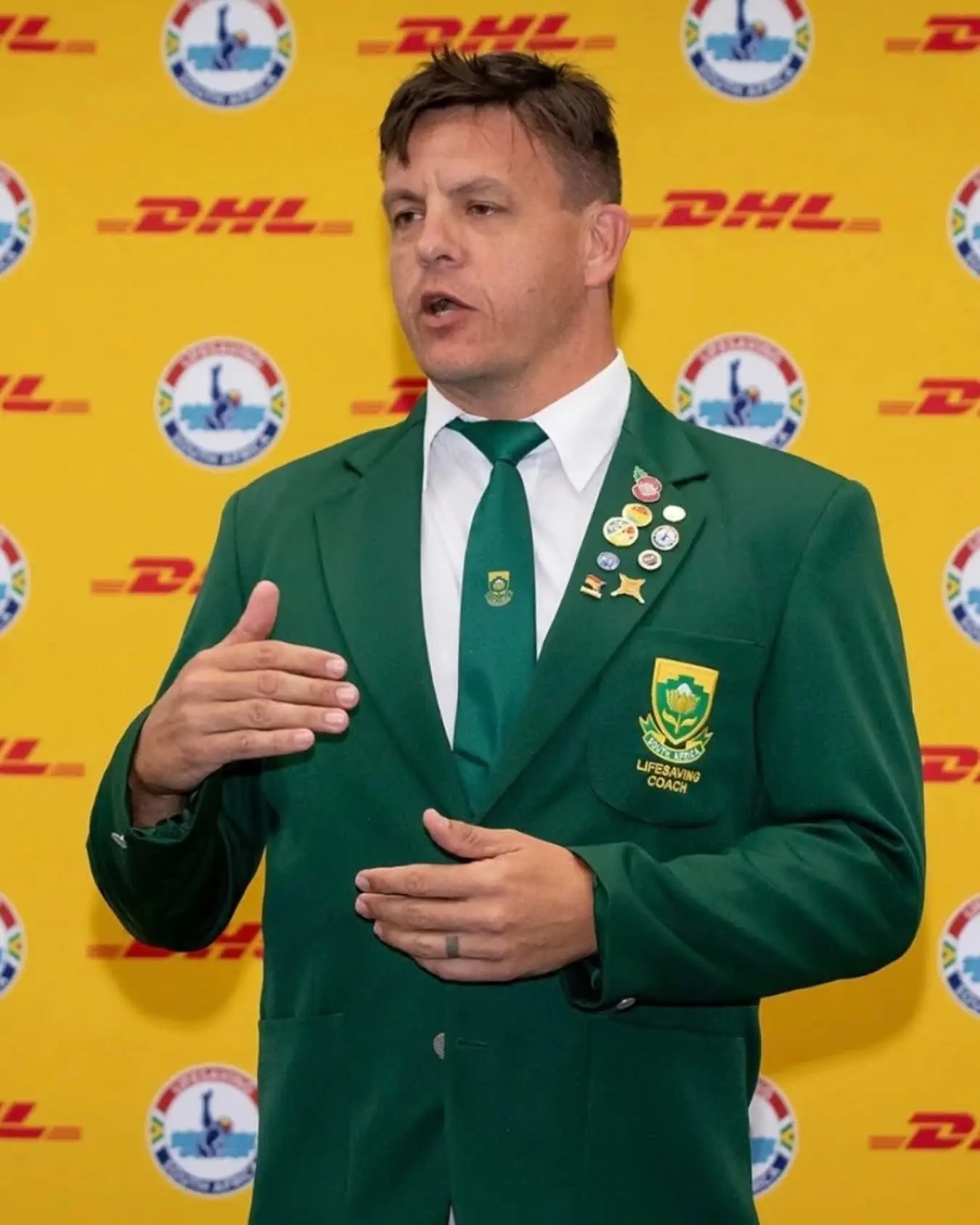
South African surf lifesaving head coach Dean Marais believes his team has the depth, preparation and local knowledge to make a major impact when the Lifesaving World Championships get under way at Kings Beach in Gqeberha later this month.
With the final stages of preparation exceeding expectations, Marais is confident the national squad is in excellent shape to challenge the traditional powerhouses of Australia and New Zealand when the world's best lifesavers gather on South African shores.
The championships, from November 29 to December 13, will mark Marais's fourth appearance as national head coach, following previous campaigns in Adelaide in 2018, Italy in 2022 and the Gold Coast in Australia in 2024.
His own journey in the sport began much earlier. He joined Scottburgh Lifesaving Club in 1997, earning his lifesaving colours before competing at the Lifesaving Interclub World Championships in 2000, aged just 16, and again in Melbourne in 2006.
A serious knee injury brought his competitive career to an end in 2007, but a decade later he found his way back into the sport through coaching.
"I found my way into coaching in 2017, almost by accident, while I was trying to make a mini comeback to competition," he said.
"That led to me being invited to a national lifesaving coaching course. It was the first time the idea of becoming a national coach developed."
After completing the national coaching courses, Marais took his first South African team to Japan in 2018 and made his World Championships coaching debut in Adelaide later that year.
Since then, his international experience has included two Sayno Cups in Japan, two African Championships in Egypt and Durban – where South Africa won the team title – and two International Surf Rescue/Tri Nations competitions in Durban and New Zealand.
Now, he is preparing for another significant milestone, with the opportunity to lead South Africa on home sand.
"The team is looking fit and healthy, and the final preparation has gone better than expected and planned," he said.
"Most of the athletes have been able to fine-tune their preparation by racing in local events organised in their respective provinces. The post-race analysis has been vital, and all the national team athletes have produced some amazing results."
The paddling contingent has also enjoyed an excellent build-up, with nearly all the selected athletes competing at either the World Surf Ski or World Canoe Marathon Championships, where South African representatives secured several podium finishes.
One of Marais's main priorities has been developing a strong team identity, particularly with athletes spread across the country and three based in Australia and the United States.
Two training camps at the Stellenbosch Sports Academy provided opportunities to bring most of the squad together, assess individual fitness levels and strengthen the collective approach.
Physical testing helped identify areas requiring attention, while early injury detection and adjustments to training programmes ensured athletes could maintain the best possible conditioning.
Marais believes the quality of the selected squad is among the strongest he has worked with, pointing to the number of talented athletes who narrowly missed selection as evidence of the depth available.
He is particularly excited about the junior men's and women's teams, as well as the senior women's squad.
"The junior team ranks as one of the strongest teams I have been part of, and we are all expecting some incredible results from these young athletes," he said.
"The senior ladies are arguably one of the strongest teams selected since the team that went to Adelaide in 2018."
South Africa will look to build on its established strengths in beach sprint, beach flags and surf ski paddling, disciplines in which the country has enjoyed considerable international success.
The senior men's surf ski paddlers will be aiming to extend a remarkable run of three consecutive World Championship gold medals, while Marais believes the senior women have an opportunity to make their breakthrough on home soil.
The junior paddlers could also feature prominently, with the team boasting athletes capable of challenging for multiple podium places.
Team events will be another major focus, particularly the oceanman and oceanwoman relays, where South Africa hopes to demonstrate the depth and strength of its squads.
The home venue could prove a significant advantage. Kings Beach has hosted the DHL Lifesaving South African National Championships in six of the past seven years, meaning the local athletes are thoroughly familiar with its changing conditions.
"Kings Beach has a habit of being very temperamental and constantly changing throughout the day, but our athletes have learned how to manage and adapt to those conditions," Marais said.
"I don't think the beach could throw anything unexpected at us, although Mother Nature and the ocean must always be respected."
He believes that familiarity could be particularly valuable against visiting nations, many of whose athletes will be experiencing South African beaches and conditions for the first time.
Australia and New Zealand remain the traditional benchmarks in international surf lifesaving, with their athletes benefiting from regular competition in a professional series that brings together many of the world's leading competitors.
South African athletes also compete in Australia when opportunities allow, while the Sports Rescue Series in Cape Town is helping strengthen the local competitive environment.
Marais believes the series, which attracts leading national athletes has played an important role in preparing the team for the challenges ahead.
With the squad's preparations on track, a strong home-ground advantage and several medal opportunities across the programme, South Africa will head into December's championships with high expectations.
For Marais, the challenge is now to translate that potential into performances when it matters most – and to make the most of a rare opportunity to compete for world honours in front of a home crowd.
- Follow The Herald WhatsApp channel today and stay connected to the stories shaping our world.
The Herald