

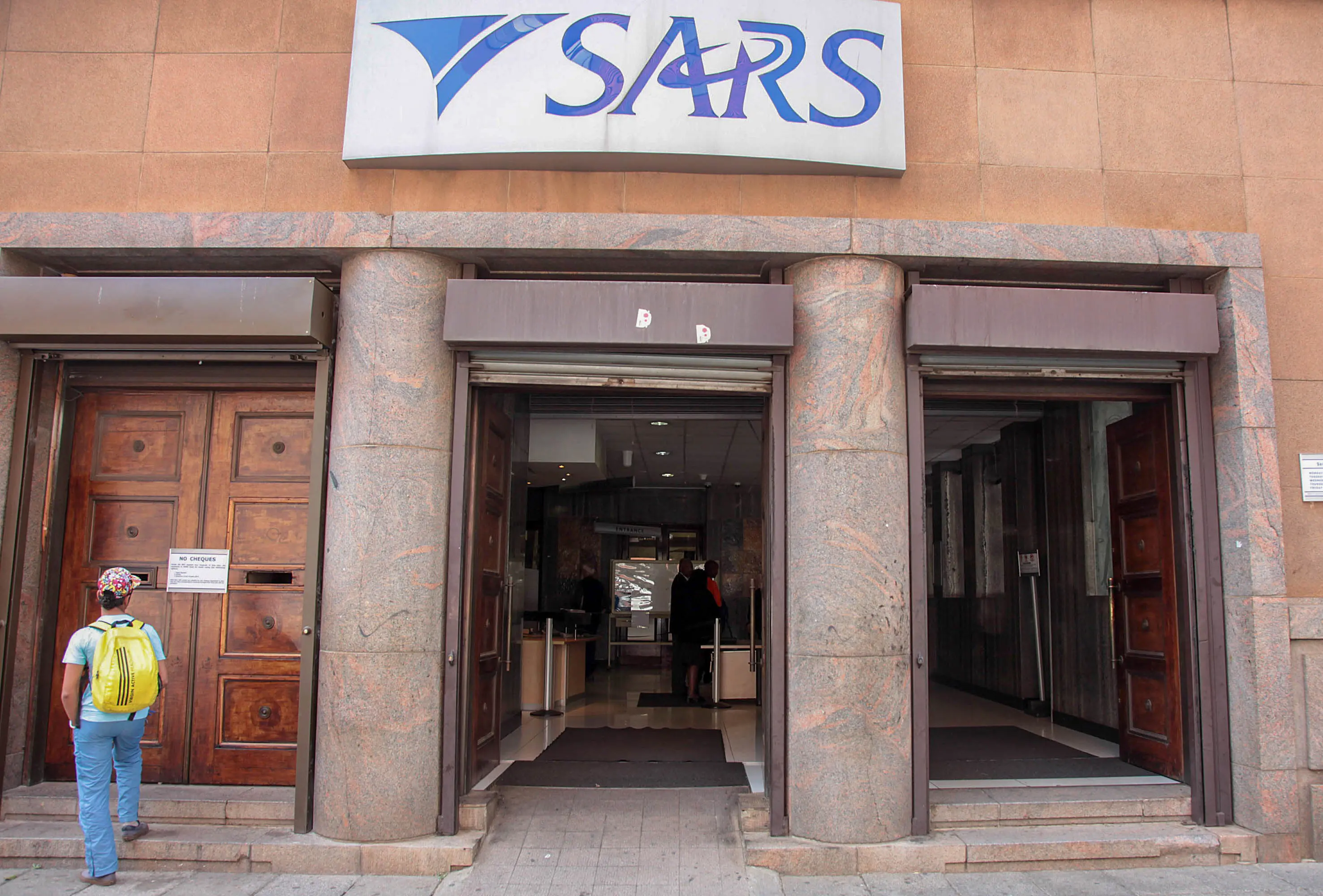
Complaints that the SA Revenue Service is becoming increasingly aggressive have grown louder over the years, according to a leading tax analyst.
Six or seven years ago, SARS was the third most trusted state agency in SA, according to a StatsSA Governance, Public Safety and Justice Survey that found only public schools and Sassa rated more highly in the public's regard.
However, SARS Commissioner Johnstone Makhubu warned taxpayers last month that the agency will aggressively pursue all debts owed to it, with a Letter of Final Demand issued for as little as R5,000.
Nico Theron, founder of Unicus Tax Specialists SA, said a number of incidents, taken together, reflect deeper systemic pressures arising from National Treasury’s need for increased revenue to service interest on rising debt and other government expenditure.
“There is pressure, there are cracks, and there is collateral damage,” said Theron.
Makhubu, speaking at the hybrid SAIT Tax Indaba 2026 event in mid-September, said the tax debt book had grown to more than R600bn, of which about R280bn had been identified as collectable.
SARS is targeting R126bn in collections from this recoverable debt this year, according to Business Tech.
“And sometimes," added Theron, "it becomes necessary to respond with equal aggression because, if you do not, you will lose the fight”.
How taxpayers can respond
Taxpayers have several avenues for recourse, including SARS’s internal complaints process and the Office of the Tax Ombud.
However, these mechanisms can be time-consuming, Theron warned.
Increasingly professional intervention is required urgently, particularly where a person’s livelihood or a business’s sustainability is under threat.
Such situations often call for an immediate and decisive response.
“Contrary to popular belief, not all decisions and assessments are subject to objections and appeal -- but that does not mean the taxpayer cannot fight back,” Theron said.
One must also recognise that taxpayers may feel that SARS is wrong, when in fact SARS is not.
Given the complexity of tax legislation, taxpayers are not always equipped to take SARS on and do not realise what is available to them.
Theron said one response, if the agency does not respond to a valid objection within the prescribed period, is for a taxpayer to threaten SARS with a default judgement court application.
SARS then has 15 days to remedy the situation, otherwise the matter proceeds to court.
That is a powerful provision, but the taxpayer must have the technical knowledge on when and how to apply it.
“You can fight back but it needs to be done in a structured, disciplined and informed way, or else you are in for an expensive hiding,” warns Theron.
Calls for stronger taxpayer protections
Dawie Roodt, chief economist at the Efficient Group, wants to see stronger legislative changes to support taxpayers.
For example, he believes if SARS does not respond to a complaint within two weeks, then it should be accepted that the taxpayer is correct.
Tax recordkeeping obligations should be streamlined, he urges, with SARS losing the right to reassess if it fails to act within a defined timeframe.
Is SA’s tax burden too high?
The current tax system does not fit a developing country like SA, Roodt pointed out.
First, the tax mix is wrong; second, it is highly complex, and third, it is expensive to comply with.
The burden is sharply skewed, with a really small portion of individuals and companies carrying a very large portion of the burden.
“The fiscus in SA is particularly redistributive. And the expenditure does not benefit the people who paid the taxes,” says Roodt.
With 26.5 million social-grant beneficiaries cited in the 2026 Budget and 13.6 million schoolchildren in state schools, one could round this off as roughly 30 million people dependent on the state.
The latest National Treasury and SARS data says roughly 1.07 million individuals (those earning above R750,000 per year) contribute just over 60% of the country's total Personal Income Tax (PIT) revenue.
The public-sector wage bill absorbs about 40% of state revenue, according to the IMF's 2026 report on SA.
This indicates the high level of pressure on the finance minister to collect more money.
“The country is already beyond the optimal tax rate for personal income tax, corporate income tax and value-added tax.
"It undermines economic growth directly,” Roodt added.
The consequences of an excessive tax burden
As a result, Theron says, taxpayers are increasingly looking for ways to escape what they perceive as an excessive tax burden.
This ranges from limiting income-generating activities to aggressive tax planning and, in some instances, illegal tax evasion.
Others rely on offshore structures and sophisticated financial arrangements to structure their affairs in a manner that reduces their tax liability. -- DDR