

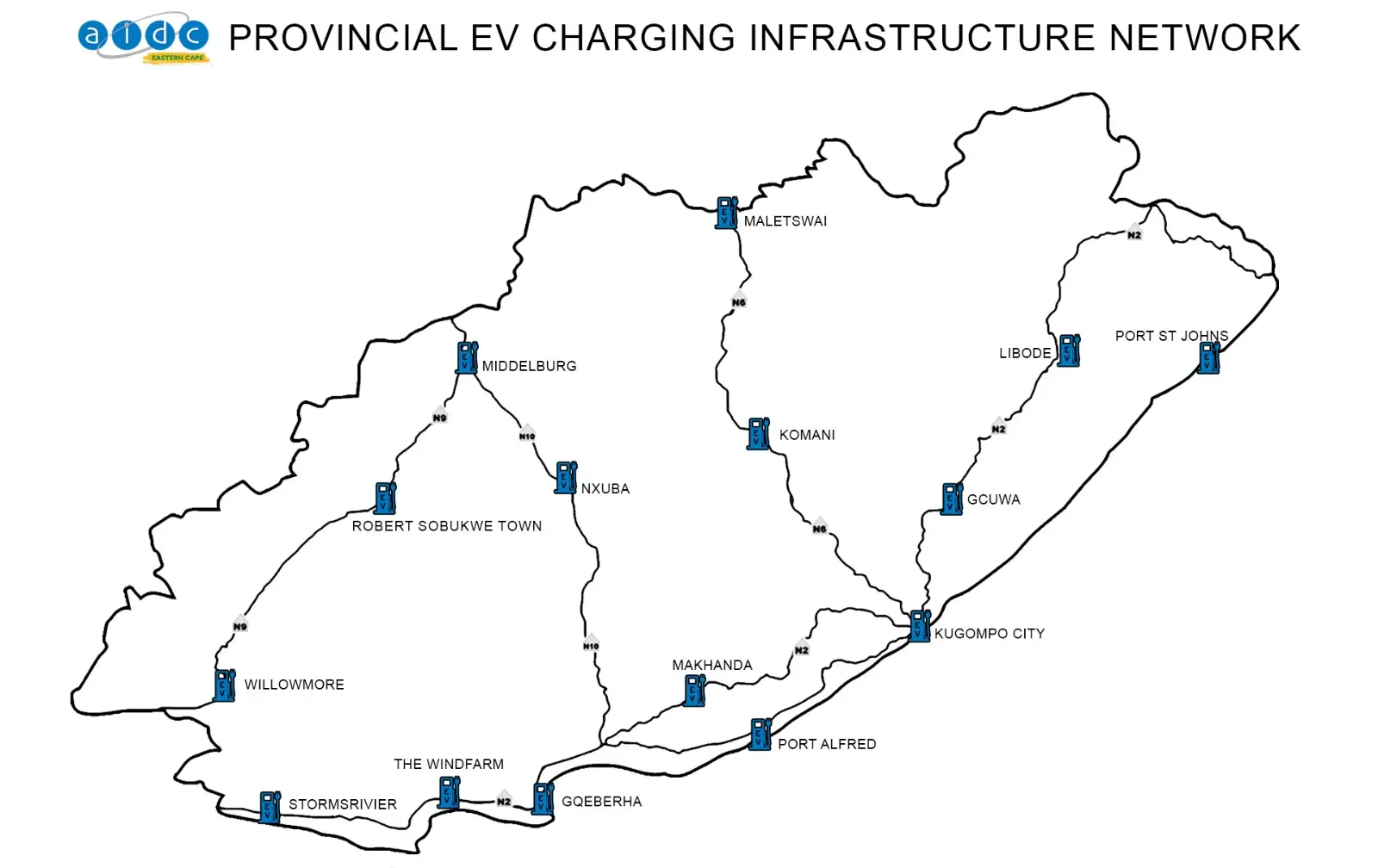
The Eastern Cape has unveiled a network of 15 public electric-vehicle charging stations strategically positioned across key coastal and Karoo routes, signalling to global investors that its historic automotive heartland is ready for the new energy vehicle era. Rolled out ahead of SA Auto Week in Durban, the initiative links major hubs with regional towns and tourism destinations to support practical e-mobility across the province.
SummaryOpen the quick read
- The Eastern Cape has established 15 public electric-vehicle charging stations linking urban centres, rural towns, and prominent tourism destinations.
- Showcased at SA Auto Week, the charging grid forms part of the province's pitch to attract new energy vehicle manufacturing investments.
- Twelve sites boast high-speed 150kW chargers delivering an 80% charge in around 30 minutes, alongside three 47kW locations.
- Chargers are hosted at diverse venues, including Rhodes University, Nelson Mandela Bay Stadium, local hotels, country lodges, and roadside garages.
- The network aims to boost regional tourism and commercial activity by encouraging EV motorists to stop, dine, and stay overnight during long journeys.
SA Auto Week i The Eastern Cape is set to showcase its ambitious new energy vehiThe Eastern Cape is set to showcase its ambitious new energy vehicle strategy at SA Auto Week in KZN this week. Pictures: SUPPLIEDcle strategy at SA Auto Week in KZN this week. Pictures: SUPPLIED

SA Auto Week i The Eastern Cape is set to showcase its ambitious new energy vehiThe Eastern Cape is set to showcase its ambitious new energy vehicle strategy at SA Auto Week in KZN this week. Pictures: SUPPLIEDcle strategy at SA Auto Week in KZN this week. Pictures: SUPPLIED