Conservation and agriculture authorities have called for swift and unified action to combat the spread of foot-and-mouth disease (FMD) after confirmation of an outbreak in the Addo Elephant National Park.
The spread of infections in the park, an Eastern Cape and South African conservation jewel, indicates that a permanent reservoir of the disease may have been created.
However, stakeholders argued on Wednesday that, with all hands on deck, there was still a way of protecting vulnerable livestock herds in the area and re-establishing the park's disease-free status.
SANParks veterinarian Dr Dave Zimmerman said he and his team could confirm that FMD had got into the Addo elephant park.
"Two kudu, one bull and one cow, both showing signs of lameness, were sampled on September 1 and tested positive."
He said a warthog, another species susceptible to FMD, had been sampled on the same day.
However, it tested negative.
"No confirmed wildlife deaths as a result of FMD have been reported.
"FMD generally has a low mortality rate in wildlife, though affected animals may experience lameness, increasing their vulnerability to predation."
Zimmerman said after the initial outbreak of the disease in the Eastern Cape in December, FMD had spread rapidly across the province.
"Cases were reported in the vicinity of Addo in July, making the subsequent detection of the disease in the park a concern."
He said the disease affected cloven-hoofed animals, and many wildlife species, including those from this group, moved relatively freely across the landscape.
"Kudu can jump over game fences, while warthogs can burrow underneath or pass through them, making it difficult to prevent their movement between properties.
"In the case of this outbreak, wildlife in areas that were previously free of FMD have become infected through exposure to infected livestock.
"However, the specific source of infection in this instance has not been confirmed."
He said FMD was highly contagious and typically spread through close contact between infected and susceptible animals.
"Given the detection of the disease, other cloven-hoofed wildlife species may also have been exposed.
"Park authorities are continuing to monitor susceptible species for clinical signs, particularly lameness associated with lesions."
Zimmerman said since the start of the outbreak in the park, SANParks had been working in co-ordination with the Eastern Cape agriculture department to manage the risk of further transmission.
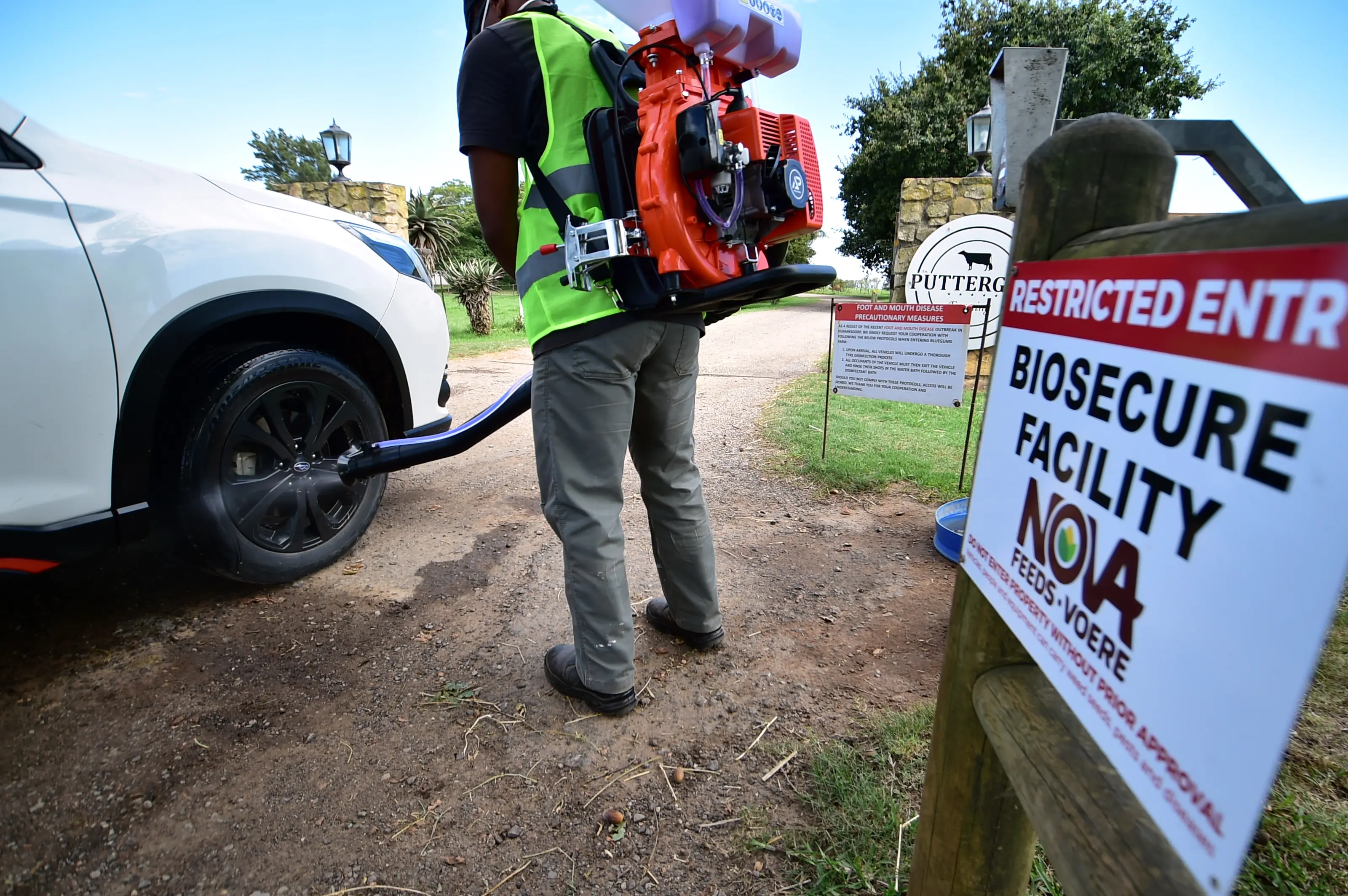
"Measures implemented include restrictions on livestock movements along public roads passing through the park and the introduction of biosecurity measures at access gates.
"Additional surveillance and biosecurity interventions, including livestock vaccination, are being investigated or implemented by the relevant veterinary authorities in consultation with surrounding landowners."
He said the best chance of containing and eliminating FMD in and around the park depended on a unified response, consistent implementation of biosecurity measures and science-based decisions by the responsible veterinary authorities.
"The objective should be to reduce transmission between livestock and wildlife, protect surrounding agricultural and conservation interests and establish a practical, sustainable pathway towards regaining disease-free status."
DA MPL Heinrich Muller said the outbreak in the park, and the proximity of livestock herds, necessitated swift action.
"Urgent provincial measures are needed to control stray livestock and strengthen biosecurity where livestock and wildlife may come into contact."
Muller said the DA supported the national FMD response led by agriculture minister Willie Aucamp.
"The Eastern Cape must support that effort with properly resourced veterinary teams, effective local enforcement and vaccination that reaches commercial, communal and small-scale livestock owners."
He said he had written to Eastern Cape agriculture MEC Nonceba Kontsiwe on the issue.
"I have called on the MEC to bring municipalities, provincial conservation authorities, SANParks and national veterinary authorities together to address these risks.
"Municipalities in affected and high-risk areas must identify roaming livestock, trace their owners and ensure safe containment.
"And provinces must pressure these local authorities to implement these measures urgently.
"Municipalities need suitable isolation facilities and procedures that prevent animals of uncertain disease status from being mixed."
He said the Eastern Cape Parks and Tourism Agency must also urgently assess provincial nature reserves and strengthen controls according to veterinary advice.
"Priorities should include boundary fencing, surveillance of susceptible wildlife, animal-movement restrictions, and appropriate disinfection of vehicles and equipment.
"Neighbouring communities and livestock owners need clear reporting contacts and practical guidance, while the provincial department must publish regular updates on testing, vaccine deployment and containment."
Red Meat Producers Organisation Eastern Cape chair James Miller said the outbreak in the Addo elephant park was further reason for farmers in the area to get their animals vaccinated as soon as possible.
"We have been concerned for a long time that this could happen where FMD gets into our wild game and becomes endemic.
"Now the bullet's out of the gun, it has happened, and all we can do is get [herds] vaccinated as quickly as possible, including with the necessary boosters, and promptly report any outbreaks."
He said enough vaccinations were available at present, and they could be accessed from Red Meat Industry Services.
While the distribution focus had so far been on the eastern region of the province, the vaccination initiative had also been successfully rolled out in western region areas such as Kouga and around Makhanda, where it had recently helped to nip the disease in the bud.
Eastern Cape agriculture department vet Dr Lungile Jali said 418,176 farm animals had been vaccinated in the Sarah Baartman and Nelson Mandela Bay municipalities.
"Vaccination against FMD remains the main control measure in the spread of the disease.
"Vaccination corridors have been created around the game reserves.
"Other measures include growing awareness about FMD in local communities, and on social media and radio to improve biosecurity.
"We encourage farmers to report any animals that show signs of being infected with the FMD virus to local veterinary officials.
"Farmers who still have animals that have not yet received their primary vaccination are encouraged to contact veterinary officials in their areas so animals can be vaccinated."
Questions were put to the Eastern Cape Parks and Tourism Agency, but no response had been received by the time of publication.