

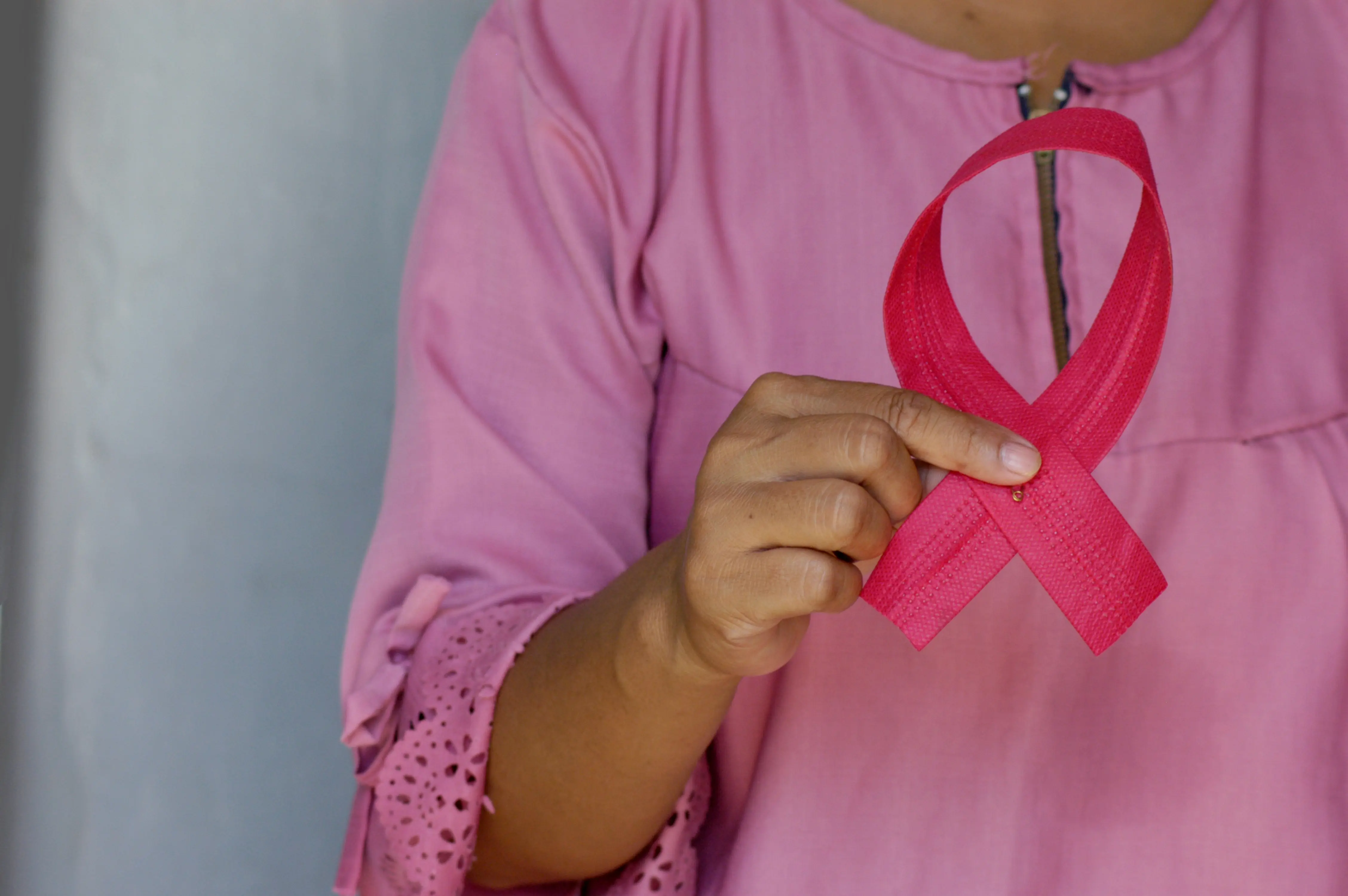
Breast cancer occurs when normal breast cells begin to grow uncontrollably.
It is the most common cancer affecting women in SA, accounting for 23.2% of all female cancers according to the 2019 SA National Cancer Registry.
While it is far more common in women, men can also develop breast cancer.
The good news is that increased awareness, early diagnosis and advances in treatment have contributed to a decrease in advanced diagnoses and improved breast cancer survival rates.
Knowing your own risk and being aware of changes in your breasts are important steps in taking charge of your health.
What should you look out for?
Changes in your breasts don't necessarily mean that you have cancer, but they should not be ignored. Signs to be aware of include:
- A change in the size, shape or symmetry of the breast
- A lump or mass in the breast or under the arm
- Enlarged lymph nodes under the arm
- Changes to the nipple, including discharge, changes in shape or retraction
- Puckering, dimpling or indentation of the skin
- Pain, swelling or tenderness
- Skin changes such as a rash or redness
If you notice any of these changes, speak to your doctor so that the cause can be investigated.

Understand your risk
Breast cancer risk can be influenced by a number of factors. These include age, hormonal and reproductive factors, lifestyle, previous breast disease and family history.
Most breast cancers occur in people over the age of 50, while the disease is less common in women under 35.
Factors such as starting menstruation before age 12, experiencing menopause after 55, having no children or having children after 30, not breastfeeding and using post-menopausal hormone replacement therapy are also associated with increased risk.
Lifestyle also plays a role. Alcohol and tobacco use are linked to increased cancer risk, while obesity, weight gain and physical inactivity can increase risk.
A previous breast cancer diagnosis or abnormal biopsy finding can also increase a person's risk.
Can you reduce your risk?
There are practical steps you can take to support your health:
- Maintain a healthy weight and diet
- Exercise regularly
- Avoid or reduce alcohol and tobacco use
- Discuss hormonal therapy with your doctor
- Have your breast cancer risk assessed
- Follow screening recommendations based on your individual risk
- Become familiar with your breasts and perform regular breast self-examinations
- Have regular health evaluations as recommended for your personal risk level
According to the 2024 National Cancer Registry information included in the material, about one in 28 women will develop breast cancer during their lifetime.
Importantly, the majority of breast cancers are sporadic and are not caused by an inherited genetic predisposition.
What about inherited breast cancer?
About 5–10% of breast cancer diagnoses are associated with inherited genetic changes. These can include changes in the BRCA1 and BRCA2 genes, among others.
A family history may suggest an increased hereditary risk.
Patterns that may warrant further assessment include several close family members across different generations being diagnosed with breast, ovarian, pancreatic or prostate cancer, or melanoma, particularly when diagnoses occur before the age of 60.
Other factors include breast cancer diagnosed before 60, cancer occurring in both breasts, male breast cancer, triple-negative breast cancer and certain high-risk ancestry groups.
When might genetic counselling help?
Assessing hereditary cancer risk depends heavily on an accurate family and medical history.
A genetic counsellor can help interpret this history, assess the likelihood of an inherited condition and provide information about genetic testing, management and prevention options.
Comprehensive counselling before and after genetic testing can help patients make informed decisions about their own health and their family's health.
It can also assist with understanding family risk, appropriate screening and potential preventive strategies.
Breast cancer isn't always something we can prevent, but understanding your risk means you can make informed decisions about your health.
Know your family history, know what is normal for your breasts and don't ignore changes. If you notice something unusual, speak to your doctor.
Access to specialist histopathology services in the Eastern Cape:
Accurate diagnosis plays an important role in the breast cancer journey.

Histopathologists contribute to this process by examining tissue samples and helping doctors establish a diagnosis that can guide decisions about further investigation and treatment.
PathCare's histopathology team serving the Eastern Cape includes Dr Lucretia Mekoa, Dr Carina Labuscagne and Dr Shumani Malaka in Gqeberha, with Dr Tshepang Sengoatsi and Dr Seipati Bulane serving the KuGompo City area.
The Gqeberha practice is situated at 3 How Avenue, Gqeberha Central, 6001, providing access to specialist histopathology services locally.
This article was sponsored by Pathcare.